In the field of architectural and industrial applications, the choice between PVC Tensile Membrane and ETFE Tensile Membrane is a crucial decision that can significantly impact the performance, cost, and aesthetics of a project. As a supplier of PVC Tensile Membrane, I have witnessed firsthand the diverse needs of clients and the unique advantages that each material offers. In this blog post, I will delve into the characteristics of these two materials, assess their suitability for different applications, and provide insights to help you make an informed choice.
Understanding PVC Tensile Membrane and ETFE Tensile Membrane
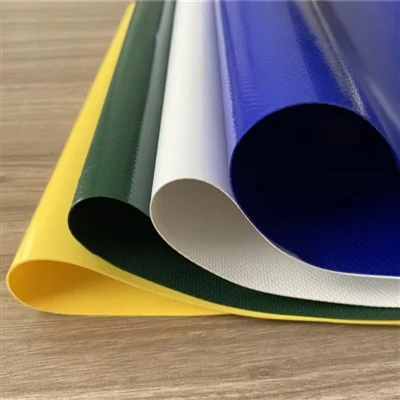
PVC Tensile Membrane is a synthetic material made from a base fabric coated with polyvinyl chloride (PVC). It is known for its durability, flexibility, and relatively low cost. The base fabric, typically made of polyester, provides strength, while the PVC coating offers protection against environmental factors such as UV rays, moisture, and abrasion. PVC Tensile Membrane can be easily fabricated into various shapes and sizes, making it a popular choice for a wide range of applications, including architectural structures, industrial covers, and advertising banners.
On the other hand, ETFE Tensile Membrane is a fluoropolymer material known for its exceptional transparency, lightness, and self - cleaning properties. ETFE (Ethylene Tetrafluoroethylene) is a high - performance plastic that has a very low coefficient of friction, which allows dirt and debris to easily slide off the surface. It is also highly resistant to chemicals, UV radiation, and weathering, and has a long service life. ETFE is often used in large - scale architectural projects, such as stadiums, greenhouses, and airport terminals, where its unique properties can be fully utilized.
Suitability for Different Applications
Architectural Applications
- Low - to Medium - Budget Projects
- For small - to medium - scale architectural projects with budget constraints, PVC Tensile Membrane is often the more suitable choice. Its lower cost per square meter makes it an attractive option for creating temporary or semi - permanent structures, such as outdoor event venues, carports, and canopies. The material can be customized in terms of color and pattern, allowing architects and designers to achieve the desired aesthetic while keeping costs under control.
- In contrast, ETFE Tensile Membrane is relatively expensive due to the high cost of production and the specialized installation requirements. However, for large - scale, high - profile architectural projects, the investment in ETFE may be justified by its long - term performance and unique visual appeal.
- Aesthetic Requirements
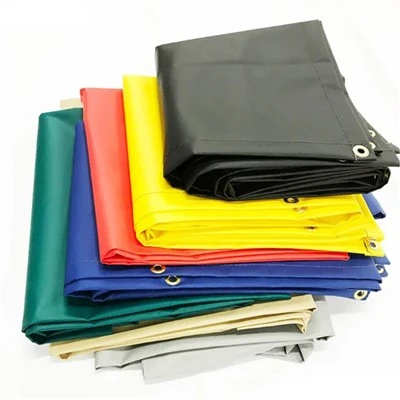
- PVC Tensile Membrane can be produced in a wide range of colors and finishes, including matte, glossy, and metallic. This makes it suitable for achieving a variety of design styles, from modern and contemporary to traditional and rustic. Additionally, PVC can be printed with high - resolution graphics, making it an ideal choice for advertising and branding applications.
- ETFE Tensile Membrane, with its high transparency, creates a unique visual effect that allows natural light to penetrate deep into the building interior. This not only reduces the need for artificial lighting but also creates a bright and airy atmosphere. ETFE can also be printed or etched with patterns to add visual interest and privacy control.
- Environmental Considerations
- PVC Tensile Membrane can be recycled at the end of its life cycle, although the recycling process may be more complex compared to other materials. Some PVC membranes are also formulated to be more environmentally friendly, with reduced levels of harmful chemicals.
- ETFE is considered a more sustainable material in terms of its long - term performance. Its self - cleaning properties reduce the need for regular maintenance, and its high transparency reduces energy consumption for lighting. However, the production of ETFE requires a significant amount of energy, which should be taken into account when evaluating its environmental impact.
Industrial Applications
- Industrial Covers and Enclosures
- PVC Tensile Membrane is widely used for industrial covers and enclosures due to its durability and resistance to harsh environmental conditions. It can be used to cover storage areas, machinery, and equipment, protecting them from dust, moisture, and UV radiation. For example, High Speed PVC Door made from PVC Tensile Membrane are commonly used in industrial facilities to provide quick access while maintaining a controlled environment.
- ETFE Tensile Membrane is less commonly used in traditional industrial covers, but it may be suitable for specialized applications where high transparency and chemical resistance are required, such as in cleanrooms or chemical processing plants.
- Ventilation Systems
- Ventilation Duct Fabric made from PVC Tensile Membrane is a popular choice for ventilation systems in mines, tunnels, and industrial buildings. The material is lightweight, flexible, and easy to install, making it suitable for complex ductwork configurations. PVC also has good acoustic properties, which can help reduce noise levels in ventilation systems.
- ETFE may not be as commonly used in ventilation duct applications due to its relatively high cost and the fact that its transparency is not a necessary feature in most ventilation systems.
Performance Comparison
Strength and Durability
- Tensile Strength
- Both PVC and ETFE Tensile Membranes have high tensile strength, but the specific values can vary depending on the product and manufacturer. PVC Tensile Membrane typically has a tensile strength in the range of 15 - 30 kN/m, which is sufficient for most applications. However, in some high - stress applications, such as large - span architectural structures, ETFE may offer higher tensile strength, with values up to 40 kN/m or more.
- Weather Resistance
- PVC Tensile Membrane is designed to withstand a wide range of weather conditions, including rain, snow, and UV radiation. The PVC coating provides protection against degradation, and the material can maintain its performance for 10 - 15 years with proper maintenance.
- ETFE Tensile Membrane is extremely resistant to weathering and UV radiation, and it can maintain its performance for 25 - 35 years or more. Its self - cleaning properties also help to keep the surface clean and free from dirt and debris, which further enhances its durability.
Fire Resistance
- PVC Tensile Membrane
- PVC can be formulated to have good fire - resistant properties. Many PVC Tensile Membranes are treated with fire - retardant chemicals to meet relevant fire safety standards. However, in the event of a fire, PVC may release toxic gases and smoke, which is a concern in some applications.
- ETFE Tensile Membrane
- ETFE is a self - extinguishing material and has a very low smoke emission rate. It does not release toxic gases when exposed to fire, making it a safer choice in applications where fire safety is a critical consideration.
Cost Considerations
Initial Investment
- PVC Tensile Membrane
- PVC Tensile Membrane is generally more affordable than ETFE Tensile Membrane. The material cost is lower, and the installation process is often simpler and less labor - intensive, resulting in lower overall project costs. This makes PVC an attractive option for projects with limited budgets.
- ETFE Tensile Membrane
- The initial investment in ETFE Tensile Membrane is significantly higher due to the high cost of the material and the specialized installation requirements. However, over the long term, the lower maintenance costs and longer service life of ETFE may offset the initial investment.
Maintenance Costs
- PVC Tensile Membrane
- PVC Tensile Membrane requires regular cleaning and maintenance to prevent the growth of mold and mildew and to maintain its appearance. The cost of cleaning and maintenance can add up over time, especially for large - scale projects.
- ETFE Tensile Membrane
- Due to its self - cleaning properties, ETFE Tensile Membrane requires minimal maintenance. This can result in significant cost savings over the life of the project.
Conclusion
In conclusion, the choice between PVC Tensile Membrane and ETFE Tensile Membrane depends on a variety of factors, including the specific application, budget, aesthetic requirements, and environmental considerations. As a supplier of PVC Tensile Membrane, I am confident in the quality and performance of our PVC products, which offer a cost - effective solution for a wide range of projects. However, I also recognize the unique advantages of ETFE Tensile Membrane in certain high - end applications.
If you are considering a project that requires a tensile membrane, I encourage you to contact us to discuss your specific needs. Our team of experts can provide you with detailed information about our products, including technical specifications, pricing, and installation options. We are committed to helping you make the best choice for your project and look forward to the opportunity to work with you.


References
- "Architectural Membrane Structures: Design, Analysis, and Construction" by Jörg Schlaich, et al.
- "Plastics in Architecture" by Peter Rowe.
- Industry reports on PVC and ETFE Tensile Membrane materials.