As a PVC tarpaulin supplier, I often receive inquiries from customers about how to cut PVC tarpaulin properly. Cutting PVC tarpaulin might seem like a straightforward task, but it requires some knowledge and skills to ensure a clean and accurate cut. In this blog, I'll share some effective methods and tips on cutting PVC tarpaulin.
Understanding PVC Tarpaulin
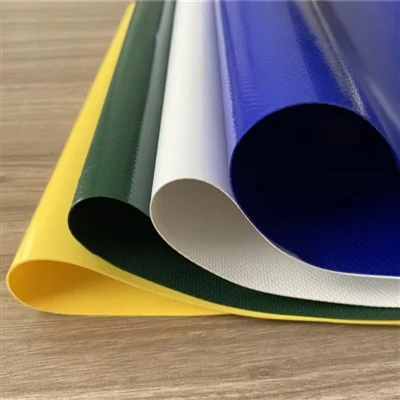
Before we start cutting, it's essential to understand the characteristics of PVC tarpaulin. PVC tarpaulin is a synthetic material made by coating a woven fabric with polyvinyl chloride (PVC). It is known for its durability, water resistance, and flexibility. The thickness and strength of PVC tarpaulin can vary depending on its intended use. For example, Coated Tarpaulin is designed to provide extra protection against the elements, while 1000d Pvc Tarpaulin is more heavy - duty and suitable for demanding applications.
Tools Required
To cut PVC tarpaulin, you'll need the right tools. Here are some commonly used tools:
- Utility Knife: A sharp utility knife is one of the most basic tools for cutting PVC tarpaulin. Make sure the blade is new and sharp to ensure a clean cut.
- Scissors: For smaller cuts or more precise work, a pair of heavy - duty scissors can be very useful. Look for scissors with sharp blades and a comfortable grip.
- Heat Gun: A heat gun can be used to melt the edges of the PVC tarpaulin, preventing fraying. This is especially useful for outdoor applications where the edges need to be sealed.
- Measuring Tape: Accurate measurements are crucial when cutting PVC tarpaulin. A measuring tape will help you ensure that your cuts are the right size.
- Straight Edge: A straight edge, such as a ruler or a metal straight edge, can be used to guide your cuts and ensure they are straight.
Preparation
Before you start cutting, it's important to prepare the PVC tarpaulin and your workspace.


- Clean the Surface: Make sure the PVC tarpaulin is clean and free of any dirt, dust, or debris. This will prevent the knife or scissors from getting dull and ensure a clean cut.
- Lay Out the Tarpaulin: Lay the PVC tarpaulin on a flat and clean surface. If possible, use a large table or a clean floor. Make sure the tarpaulin is smooth and free of wrinkles.
- Mark the Cut Line: Use a measuring tape and a marker to mark the cut line on the PVC tarpaulin. Double - check your measurements to ensure accuracy.
Cutting Methods
Using a Utility Knife
- Secure the Tarpaulin: Place the straight edge along the marked cut line. Hold the straight edge firmly in place to prevent it from moving.
- Make the Cut: Hold the utility knife at a slight angle and apply gentle pressure. Start at one end of the cut line and slowly move the knife along the straight edge. Make several passes if necessary to cut through the entire thickness of the tarpaulin.
- Seal the Edges: After cutting, you can use a heat gun to seal the edges of the PVC tarpaulin. Hold the heat gun about 2 - 3 inches away from the edge and move it back and forth until the edge melts and seals.
Using Scissors
- Cut Along the Marked Line: If you're using scissors, carefully cut along the marked cut line. Make sure to keep the scissors straight and use a smooth cutting motion.
- Trim the Edges: After cutting, you may need to trim the edges to make them smooth. You can use a pair of smaller scissors or a utility knife for this.
Tips for Cutting PVC Tarpaulin
- Wear Protective Gear: When cutting PVC tarpaulin, it's a good idea to wear gloves to protect your hands from the sharp blades. You may also want to wear safety glasses to protect your eyes from any flying debris.
- Take Your Time: Cutting PVC tarpaulin requires patience. Don't rush the process, as this can lead to uneven cuts or mistakes.
- Test on a Small Piece: If you're unsure about the cutting method or the tools you're using, it's a good idea to test on a small piece of PVC tarpaulin first. This will allow you to practice and make any necessary adjustments.
Applications of Cut PVC Tarpaulin
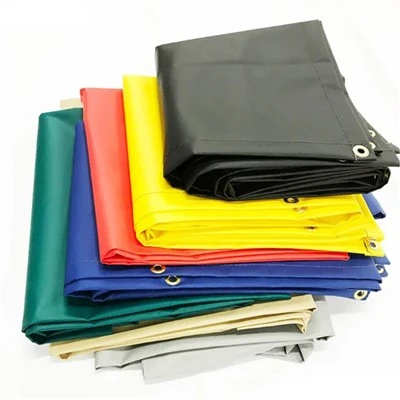
Once you've cut the PVC tarpaulin, it can be used in a variety of applications. For example, Pvc Truck Cover can be cut to fit the size of your truck and provide protection against the elements. You can also use cut PVC tarpaulin for making tents, covers for outdoor equipment, or as a ground cover.
Conclusion
Cutting PVC tarpaulin is a skill that can be mastered with practice. By understanding the characteristics of PVC tarpaulin, using the right tools, and following the proper cutting methods, you can achieve clean and accurate cuts. Whether you're a DIY enthusiast or a professional, these tips and techniques will help you get the most out of your PVC tarpaulin.
If you're interested in purchasing high - quality PVC tarpaulin for your projects, we're here to assist you. Our company offers a wide range of PVC tarpaulin products, including Coated Tarpaulin, 1000d Pvc Tarpaulin, and Pvc Truck Cover. Contact us to discuss your specific needs and start your next project with confidence.
References
- "Handbook of Plastic Films" by Wilmer A. Jenkins and James P. Harrington.
- "Plastics Engineering Handbook" by Myer Kutz.