PVC tarpaulin covers are widely used in various industries due to their versatility, durability, and cost - effectiveness. As a supplier of PVC tarpaulin covers, I often get asked about the heat resistance of these products. In this blog, we will explore what the heat resistance of PVC tarpaulin cover is, factors affecting it, and its implications for different applications.
Understanding PVC Tarpaulin
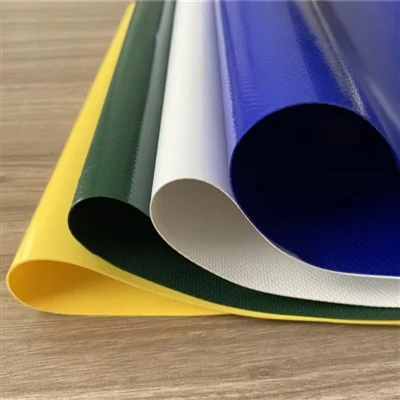
PVC (Polyvinyl Chloride) is a synthetic plastic polymer. A PVC tarpaulin cover is made by coating a woven fabric (usually polyester or nylon) with a layer of PVC. This combination results in a material that is strong, waterproof, and resistant to many environmental factors.
Heat Resistance of PVC Tarpaulin
The heat resistance of PVC tarpaulin is not as high as some other materials like silicone - coated fabrics or fiberglass. Generally, PVC tarpaulin can withstand temperatures in the range of - 20°C to 60°C (- 4°F to 140°F). However, this range can vary depending on several factors.
Factors Affecting Heat Resistance
- PVC Formulation: Different PVC formulations have different heat - resistant properties. Some manufacturers may add heat - stabilizers to the PVC during the production process. These stabilizers can improve the heat resistance of the tarpaulin. For example, lead - based stabilizers were commonly used in the past, but due to environmental concerns, calcium - zinc stabilizers are now more popular.
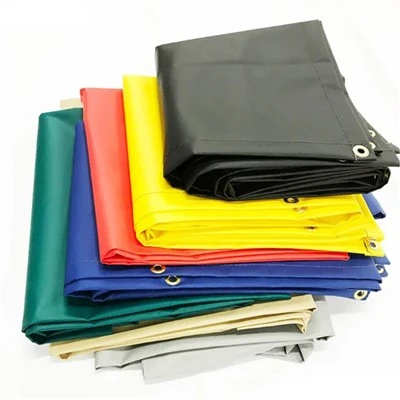
- Thickness of the Tarpaulin: Thicker PVC tarpaulins tend to have better heat resistance. A thicker layer of PVC can provide more insulation and protection against heat. For instance, a heavy - duty Heavy Tarpaulin Pvc Cover with a greater thickness will be able to withstand higher temperatures compared to a thinner one.
- Additives and Fillers: The addition of certain additives and fillers can also impact the heat resistance. For example, adding flame - retardant additives can not only make the tarpaulin more fire - resistant but also improve its ability to withstand higher temperatures without deforming.
Implications of Heat Resistance in Different Applications
- Outdoor Storage: PVC tarpaulin covers are commonly used for outdoor storage of goods. In regions with high temperatures, the heat resistance of the tarpaulin is crucial. If the temperature exceeds the heat - resistant limit of the tarpaulin, it may start to soften, become brittle, or even develop cracks. This can compromise the waterproof and protective properties of the cover. For example, if you are using a 500d Pvc Tarpaulin to cover agricultural equipment in a hot climate, you need to ensure that it can withstand the local temperature extremes.
- Industrial Applications: In industrial settings, PVC tarpaulin covers may be used to protect machinery or as partitions. If the machinery generates a significant amount of heat, the tarpaulin needs to have sufficient heat resistance. Otherwise, it may melt or degrade, which can pose a safety hazard. For example, in a factory where hot metal parts are being processed, a tarpaulin with good heat resistance is required to prevent accidental fires or damage to the cover.
- Transportation: When used for covering goods during transportation, especially in hot climates or in enclosed spaces where heat can build up, the heat resistance of the PVC tarpaulin is essential. A tarpaulin that cannot withstand the heat may become damaged during the journey, leading to potential loss of the covered goods.
Testing the Heat Resistance of PVC Tarpaulin
Manufacturers usually conduct heat - resistance tests on their PVC tarpaulin products. These tests involve subjecting the tarpaulin to different temperatures for a specific period and observing any changes in its physical properties. For example, they may check for changes in color, flexibility, and strength.
One common test method is the Vicat softening temperature test. In this test, a small needle is pressed into the tarpaulin under a specific load, and the temperature at which the needle penetrates a certain depth is recorded. This temperature gives an indication of the softening point of the PVC tarpaulin.
Limitations and Precautions
Despite its many advantages, PVC tarpaulin has some limitations when it comes to heat resistance. If exposed to extremely high temperatures for an extended period, the PVC can break down, releasing harmful chemicals such as hydrogen chloride gas. Therefore, it is important to avoid using PVC tarpaulin covers in situations where they will be exposed to direct flames or extremely high - heat sources.
When using PVC tarpaulin covers in high - temperature environments, it is advisable to provide proper ventilation to prevent heat buildup. Also, regular inspections should be carried out to check for any signs of heat - related damage, such as discoloration or brittleness.
Conclusion
The heat resistance of PVC tarpaulin cover is an important factor to consider when choosing the right product for your needs. As a supplier, we ensure that our PVC tarpaulin covers are formulated to provide a reasonable level of heat resistance suitable for a wide range of applications. However, it is always important to assess the specific temperature requirements of your application and choose the appropriate tarpaulin accordingly.
If you are in the market for high - quality PVC tarpaulin covers, we are here to help. Our products are designed to meet the diverse needs of our customers, whether it's for outdoor storage, industrial use, or transportation. Contact us to discuss your requirements and explore our range of Tarpaulin 500gsm and other PVC tarpaulin products. We look forward to partnering with you to find the perfect solution for your tarpaulin needs.


References
- ASTM International. (20XX). Standard Test Methods for Vicat Softening Temperature of Plastics. ASTM D1525.
- Smith, J. (20XX). The Properties and Applications of PVC Tarpaulin. Journal of Synthetic Materials, 15(2), 34 - 45.
- Brown, A. (20XX). Heat Resistance of Polymer - Coated Fabrics. Polymer Science Review, 22(3), 67 - 78.