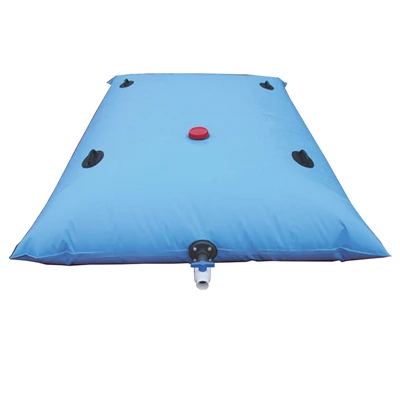
As a supplier of PVC Onion Water Tanks, I often encounter questions from customers regarding the various properties of these tanks, one of the most common being the electrical conductivity. In this blog, I'll delve into the concept of electrical conductivity in the context of PVC Onion Water Tanks, exploring what it means, why it matters, and how it relates to the use and safety of these tanks.
Understanding Electrical Conductivity
Electrical conductivity is a measure of a material's ability to conduct an electric current. It is the reciprocal of electrical resistivity. Materials are generally classified into conductors, semiconductors, and insulators based on their conductivity. Conductors, such as metals, have high electrical conductivity, allowing electrons to move freely through them. Semiconductors have intermediate conductivity, and insulators have very low conductivity, which means they impede the flow of electric current.
Electrical Conductivity of PVC
PVC, or polyvinyl chloride, is a type of plastic that is widely used in the manufacturing of water tanks, including our PVC Onion Water Tanks. PVC is an insulator. This is due to its molecular structure. PVC is a polymer composed of long chains of vinyl chloride monomers. The electrons in these molecules are tightly bound within the covalent bonds, and there are no free electrons available to carry an electric current. As a result, PVC has extremely low electrical conductivity.
The low electrical conductivity of PVC is one of its key advantages when it comes to water tank applications. Water is a good conductor of electricity, especially when it contains dissolved salts and other impurities. If a water tank were made of a conductive material, there would be a risk of electrical shock if the water came into contact with an electrical source. However, since PVC is an insulator, it provides a safe barrier between the water inside the tank and any external electrical hazards.
Factors Affecting the Electrical Conductivity of PVC in Onion Water Tanks
While PVC itself has low electrical conductivity, there are some factors that could potentially affect the overall electrical behavior of a PVC Onion Water Tank.
Surface Contamination
If the surface of the PVC tank becomes contaminated with conductive substances, such as metal particles or electrolytes, it could increase the apparent electrical conductivity. For example, if the tank is installed in an industrial environment where there are metal dust particles in the air, these particles could settle on the tank surface and create a conductive path. Regular cleaning and maintenance of the tank can help prevent such contamination.
Temperature
The electrical conductivity of PVC can be slightly affected by temperature. As the temperature increases, the molecular motion within the PVC polymer increases, which can cause a small increase in the mobility of the electrons. However, this effect is usually very small and is unlikely to have a significant impact on the safety of the tank under normal operating temperatures.
Additives in PVC
In some cases, additives are used in the production of PVC to improve its properties. For example, plasticizers are often added to make PVC more flexible. Some of these additives could potentially affect the electrical conductivity of the PVC. However, manufacturers carefully select additives to ensure that they do not compromise the insulating properties of the PVC.
Importance of Low Electrical Conductivity in PVC Onion Water Tanks
The low electrical conductivity of PVC Onion Water Tanks is crucial for several reasons.
Safety
As mentioned earlier, safety is the primary concern. Since the tank is used to store water, which can conduct electricity, an insulating material like PVC helps prevent electrical accidents. Whether the tank is installed in a residential, commercial, or industrial setting, the low conductivity of PVC ensures that there is no risk of electrical shock to people or damage to electrical equipment.
Compatibility with Electrical Systems
In many water storage applications, there are often electrical systems associated with the tank, such as pumps, sensors, and level indicators. The low electrical conductivity of PVC means that the tank does not interfere with these electrical systems. There is no risk of short - circuits or electrical interference caused by the tank itself.
Comparing PVC Onion Water Tanks with Other Types of Tanks
To better understand the significance of the electrical conductivity of PVC Onion Water Tanks, let's compare them with other types of water tanks.
PVC Pillow Water Tank
PVC Pillow Water Tank also made of PVC, shares the same low electrical conductivity characteristics. These tanks are often used in mobile or temporary water storage applications. The insulating property of PVC ensures that they can be safely used in various environments without the risk of electrical issues.
PVC Galvanized Sheet Water Tank
PVC Galvanized Sheet Water Tank combines the strength of galvanized steel with the insulating properties of PVC. The galvanized steel provides structural support, while the PVC coating acts as an insulator. This type of tank also offers good electrical safety, similar to a pure PVC Onion Water Tank.


Conclusion
In conclusion, the electrical conductivity of a PVC Onion Water Tank is extremely low due to the insulating nature of PVC. This property is essential for the safety and functionality of the tank, providing a reliable barrier against electrical hazards and ensuring compatibility with associated electrical systems. While there are some factors that could potentially affect the electrical behavior of the tank, proper maintenance and manufacturing practices can minimize these risks.
If you are in the market for a safe and reliable water storage solution, our PVC Onion Water Tank is an excellent choice. We are committed to providing high - quality products that meet the highest standards of safety and performance. If you have any questions or would like to discuss your specific requirements, please feel free to contact us for further details and to start a procurement negotiation.
References
- "Polyvinyl Chloride (PVC): Properties, Processing, and Applications" by Charles A. Daniels
- "Electrical Properties of Polymers" by John M. Warnecke
- "Water Tank Design and Installation Guidelines" by the National Water Storage Association