What is the breathability of PVC coated tarpaulin?
As a supplier of PVC coated tarpaulin, I often get asked about the breathability of our products. Breathability is an important factor to consider when choosing a tarpaulin, especially in applications where moisture management is crucial. In this blog post, I will explain what breathability means in the context of PVC coated tarpaulin, how it affects the performance of the tarpaulin, and the factors that influence it.
Understanding Breathability
Breathability, in the context of materials like PVC coated tarpaulin, refers to the ability of the material to allow air and moisture vapor to pass through it. When a material is breathable, it can prevent the build - up of condensation and moisture. This is important because excessive moisture can lead to a variety of problems, such as mold and mildew growth, rotting of the items being covered, and reduced durability of the tarpaulin itself.
In contrast, non - breathable materials trap moisture inside. For example, if you use a non - breathable tarpaulin to cover a stack of wood, the moisture from the wood's natural evaporation process will be trapped between the wood and the tarpaulin. Over time, this can create a damp environment that promotes mold growth and can damage the wood.
Breathability of PVC Coated Tarpaulin
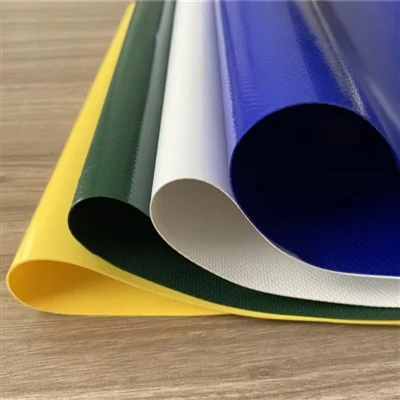
PVC (Polyvinyl Chloride) coated tarpaulin is generally considered to be a non - breathable material. The PVC coating forms a continuous, impermeable layer over the base fabric. This layer effectively blocks the passage of air and moisture vapor. The primary reason for using PVC coating is to provide excellent waterproofing, abrasion resistance, and UV protection.
When we apply a PVC coating to a tarpaulin, we are creating a barrier that stops water from penetrating the fabric. However, this same barrier also prevents air and moisture vapor from passing through. For many applications, such as covering boats, trucks, or equipment, the non - breathability of PVC coated tarpaulin is not a significant drawback. In fact, it can be an advantage.


Applications where Non - Breathability is an Advantage
- Heavy Duty Waterproof Boat Cover: Boats are exposed to water, both from rain and waves. A non - breathable PVC coated tarpaulin can provide a reliable waterproof barrier, protecting the boat's interior from water damage. It also helps to prevent UV rays from fading the boat's finish.
- Equipment Tarps Cover: Industrial equipment needs to be protected from the elements, including rain, dust, and sunlight. The non - breathability of PVC coated tarpaulin ensures that the equipment stays dry and free from contaminants.
- PVC Tarpaulin for Truck Cover: Trucks often carry goods over long distances, exposed to various weather conditions. A non - breathable tarpaulin can keep the cargo dry and secure, protecting it from rain, snow, and wind - blown debris.
Addressing Moisture Concerns in Non - Breathable Tarpaulins
Even though PVC coated tarpaulins are non - breathable, there are ways to address potential moisture issues. One approach is to use proper ventilation techniques. For example, when covering a large area like a storage shed or a stack of goods, leaving some gaps or using vents can allow air to circulate. This helps to reduce the build - up of moisture inside the covered area.
Another method is to use desiccants. Desiccants are substances that absorb moisture from the air. Placing desiccant packs inside the covered area can help to keep the environment dry.
Factors Influencing the Performance of PVC Coated Tarpaulin
- Thickness of the PVC Coating: A thicker PVC coating generally provides better waterproofing but may also increase the stiffness of the tarpaulin. It can also have a minor impact on the overall flexibility of the material.
- Quality of the Base Fabric: The base fabric of the tarpaulin affects its strength and durability. High - quality base fabrics can withstand more wear and tear, making the tarpaulin last longer.
- Additives in the PVC Coating: Some PVC coatings may contain additives such as UV stabilizers, fire retardants, or anti - microbial agents. These additives can enhance the performance of the tarpaulin in specific applications.
Conclusion
In summary, PVC coated tarpaulin is a non - breathable material that offers excellent waterproofing, abrasion resistance, and UV protection. While its non - breathability can be a concern in some situations, it is an advantage in many common applications, such as covering boats, equipment, and trucks. By using proper ventilation techniques and desiccants, we can effectively manage the potential moisture issues associated with non - breathable tarpaulins.
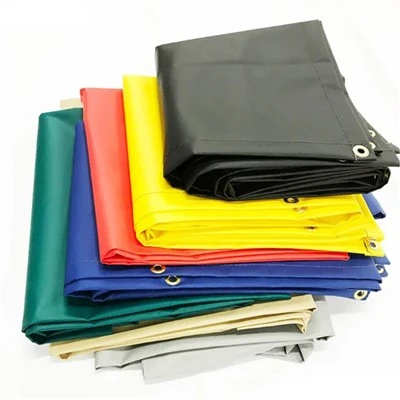
If you are in the market for high - quality PVC coated tarpaulin, we have a wide range of products to meet your needs. Our tarpaulins are manufactured using the latest technology and high - quality materials to ensure superior performance. Whether you need a Heavy Duty Waterproof Boat Cover, an Equipment Tarps Cover, or a PVC Tarpaulin for Truck Cover, we can provide you with the right solution.
If you have any questions or would like to discuss your specific requirements, please feel free to contact us. We are always happy to assist you in finding the perfect tarpaulin for your application.
References
- ASTM International. (2023). Standards for testing the properties of PVC materials.
- Textile Institute. (2022). Handbook of textile materials and their applications.