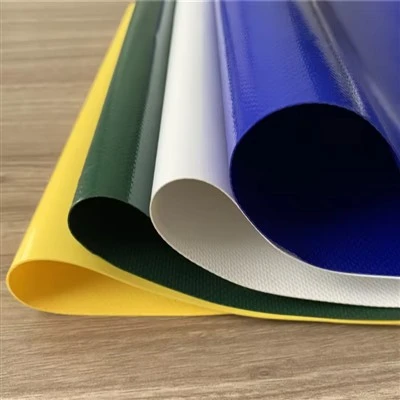
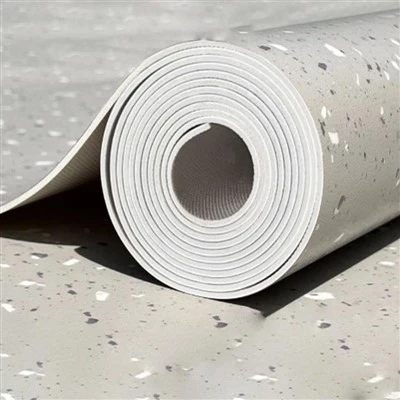
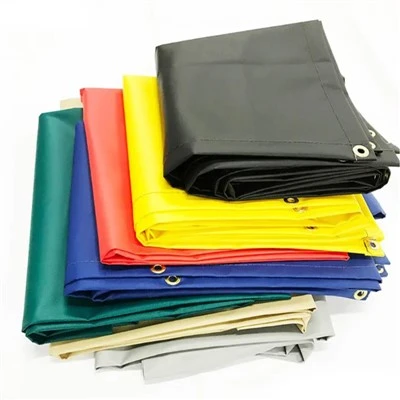
In the world of industrial and commercial products, PVC tarpaulins have long been a staple. As a PVC tarpaulin supplier, I've witnessed firsthand the widespread use of these versatile materials in various applications, from construction sites to agricultural fields. However, in recent years, there has been a growing concern about the environmental impact of PVC tarpaulins. This blog post aims to delve into the question: Is PVC tarpaulin environmentally friendly?
Understanding PVC Tarpaulins
Before we can assess the environmental friendliness of PVC tarpaulins, it's important to understand what they are. PVC, or polyvinyl chloride, is a synthetic plastic polymer that is widely used in the production of tarpaulins. PVC tarpaulins are known for their durability, waterproofness, and resistance to UV rays, making them ideal for a variety of outdoor applications.
PVC tarpaulins are typically made by coating a woven fabric, such as polyester or nylon, with a layer of PVC. This coating provides the tarpaulin with its waterproof and protective properties. The resulting material is strong, flexible, and resistant to tearing and abrasion.
The Environmental Concerns
While PVC tarpaulins offer many benefits, there are also several environmental concerns associated with their production, use, and disposal.
Production
The production of PVC involves the use of chlorine, which is derived from salt. The process of producing chlorine requires a significant amount of energy, and it can also release harmful chemicals into the environment. Additionally, the production of PVC can generate dioxins, which are highly toxic chemicals that can have serious health effects on humans and wildlife.
Use
During their use, PVC tarpaulins can release phthalates, which are a group of chemicals used to make the plastic more flexible. Phthalates have been linked to a variety of health problems, including reproductive and developmental issues. In addition, PVC tarpaulins can also release volatile organic compounds (VOCs), which can contribute to air pollution.
Disposal
When PVC tarpaulins reach the end of their useful life, they can pose a significant environmental challenge. PVC is not biodegradable, which means that it can persist in the environment for hundreds of years. When PVC is incinerated, it can release toxic chemicals, such as dioxins and furans, into the air. Landfilling PVC tarpaulins is also not a sustainable solution, as they can take up valuable space in landfills and may leach harmful chemicals into the soil and groundwater.
The Environmental Benefits
Despite the environmental concerns associated with PVC tarpaulins, there are also several environmental benefits to using these materials.
Durability
One of the main advantages of PVC tarpaulins is their durability. PVC tarpaulins can last for many years, which means that they do not need to be replaced as frequently as other types of tarpaulins. This can reduce the overall environmental impact of using tarpaulins by reducing the amount of waste generated.
Reusability
In addition to their durability, PVC tarpaulins can also be reused. Many PVC tarpaulins can be repaired and reused multiple times, which can further reduce their environmental impact. For example, a damaged PVC tarpaulin can be patched and used again, rather than being discarded.
Energy Efficiency
PVC tarpaulins can also help to improve energy efficiency. For example, in the construction industry, PVC tarpaulins can be used to cover buildings during construction, which can help to reduce heat loss and energy consumption. In the agricultural industry, PVC tarpaulins can be used to cover crops, which can help to protect them from the elements and reduce the need for irrigation.
Mitigating the Environmental Impact
As a PVC tarpaulin supplier, I am committed to minimizing the environmental impact of our products. We take several steps to ensure that our PVC tarpaulins are produced, used, and disposed of in an environmentally responsible manner.
Sustainable Production
We work with our suppliers to ensure that the PVC used in our tarpaulins is produced using sustainable methods. This includes using renewable energy sources, reducing waste and emissions, and minimizing the use of harmful chemicals.
Product Design
We design our PVC tarpaulins to be as durable and reusable as possible. This includes using high-quality materials, reinforcing seams and edges, and providing clear instructions on how to repair and maintain the tarpaulins.


Recycling
We encourage our customers to recycle their PVC tarpaulins at the end of their useful life. We work with recycling companies to ensure that our tarpaulins are recycled in an environmentally responsible manner. Recycling PVC tarpaulins can help to reduce the amount of waste sent to landfills and conserve natural resources.
Conclusion
So, is PVC tarpaulin environmentally friendly? The answer is not a simple yes or no. While PVC tarpaulins do have some environmental concerns associated with their production, use, and disposal, they also offer several environmental benefits, such as durability and reusability. As a PVC tarpaulin supplier, we are committed to minimizing the environmental impact of our products by using sustainable production methods, designing our products to be as durable and reusable as possible, and encouraging our customers to recycle their tarpaulins at the end of their useful life.
If you are in the market for a high-quality, durable, and environmentally responsible PVC tarpaulin, we invite you to explore our range of products. We offer a wide variety of PVC Coated Tarpaulin, PVC Tarpaulin Cover, and Pallet Cover Tarpaulin to meet your specific needs. Contact us today to learn more about our products and to discuss your requirements.
References
- European Chemicals Agency. (n.d.). Polyvinyl chloride (PVC). Retrieved from https://echa.europa.eu/chemical-information/polyvinyl-chloride-pvc
- United States Environmental Protection Agency. (n.d.). Phthalates. Retrieved from https://www.epa.gov/ingredients-used-products/phthalates
- World Health Organization. (2017). Dioxins and their effects on human health. Retrieved from https://www.who.int/news-room/fact-sheets/detail/dioxins-and-their-effects-on-human-health