Hey there! As a supplier of PVC fabric rolls, I often get asked if PVC fabric rolls can be welded. Well, the short answer is yes, they can! In this blog post, I'll dive deep into the world of welding PVC fabric rolls, explaining how it works, its benefits, and some practical tips for you.
How Does PVC Fabric Roll Welding Work?
Welding PVC fabric rolls is a process that involves using heat to melt and fuse two pieces of PVC fabric together. There are a few common methods for welding PVC fabric, and each has its own advantages.
Hot Air Welding
This is one of the most popular methods. A hot air welder blows hot air onto the PVC fabric at a controlled temperature. As the fabric heats up, it becomes soft and malleable. Then, the two pieces of fabric are pressed together, and as they cool down, they bond firmly. The temperature and air flow need to be carefully adjusted based on the thickness and type of the PVC fabric. For thinner PVC fabrics, a lower temperature might be sufficient, while thicker ones require more heat.
High - Frequency Welding
High - frequency welding, also known as radio - frequency (RF) welding, uses electromagnetic waves to heat the PVC fabric. The PVC material contains polar molecules that vibrate when exposed to high - frequency electromagnetic fields. This vibration generates heat, which melts the fabric. Once melted, the two pieces are pressed together to form a strong bond. High - frequency welding is known for its speed and precision, making it ideal for large - scale production.
Ultrasonic Welding
Ultrasonic welding uses high - frequency ultrasonic vibrations to generate heat at the joint of the PVC fabric. The vibrations cause friction between the fabric molecules, which in turn produces heat. Similar to the other methods, the fabric is then pressed together to create a weld. Ultrasonic welding is great for small - scale or detailed welding jobs, as it can be very precise.
Benefits of Welding PVC Fabric Rolls
Strong and Durable Joints
One of the biggest advantages of welding PVC fabric rolls is the strength of the joints. A well - welded joint can be as strong as the fabric itself. This is crucial for applications where the fabric will be under stress, such as in outdoor tarps or industrial covers. For example, if you're using a PVC fabric roll to make a large - scale outdoor tent, a strong welded joint will ensure that the tent can withstand wind and other environmental factors without coming apart.
Waterproof and Air - tight Seals
Welding creates a seamless and continuous bond between the PVC fabric pieces. This results in a waterproof and air - tight seal, which is essential for applications like inflatable structures, swimming pool covers, and waterproof bags. You don't have to worry about water or air leaking through the joints, providing a reliable and long - lasting solution.


Aesthetically Pleasing
Welded joints are often neater and more aesthetically pleasing compared to other joining methods like sewing. Sewing can leave holes in the fabric, which may not be suitable for some applications. Welding, on the other hand, creates a smooth and clean finish, enhancing the overall look of the final product.
Practical Tips for Welding PVC Fabric Rolls
Prepare the Fabric
Before welding, make sure the PVC fabric is clean and free of any dirt, dust, or grease. Any contaminants on the fabric surface can affect the quality of the weld. You can use a mild detergent and water to clean the fabric, and then let it dry completely.
Choose the Right Welding Method
As mentioned earlier, different welding methods have their own pros and cons. Consider the thickness of the PVC fabric, the size of the project, and your production requirements when choosing a welding method. For example, if you're working on a small DIY project, hot air welding might be a good choice as it's relatively easy to set up and operate. But for a large - scale manufacturing operation, high - frequency welding could be more efficient.
Test the Weld
Before starting a large - scale welding project, it's a good idea to do a test weld on a small piece of the PVC fabric. This will allow you to adjust the welding parameters, such as temperature, pressure, and speed, to ensure a strong and reliable weld. You can then check the strength of the test weld by pulling on it gently to see if it holds up.
Applications of Welded PVC Fabric Rolls
Outdoor Covers
PVC fabric rolls are commonly used to make outdoor covers, such as truck tarps, boat covers, and patio umbrellas. Welding the fabric ensures that these covers are durable and can protect the items they're covering from the elements. For instance, a welded truck tarp can keep the cargo dry during rainstorms and prevent it from being damaged by UV rays.
Inflatable Structures
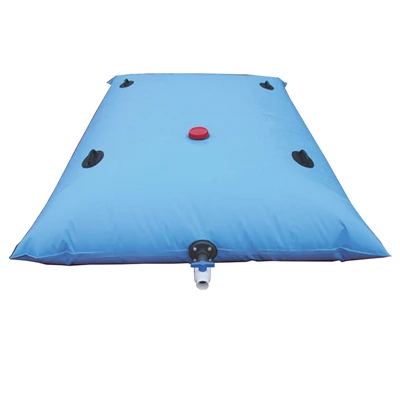
Inflatable structures like bouncy castles, inflatable boats, and air tents rely on welded PVC fabric for their construction. The air - tight seals created by welding are essential for maintaining the inflation of these structures. Without proper welding, the air would leak out, and the structure would deflate.
Industrial Curtains
In industrial settings, PVC fabric rolls are used to make curtains for partitioning work areas, controlling dust, and providing privacy. Welded joints ensure that these curtains are strong and can withstand the wear and tear of daily use.
If you're interested in PVC Coated Tarpaulin Fabric Roll, we have a wide range of options available. Our PVC fabric rolls are of high quality and suitable for various welding applications. Whether you're a small - scale DIY enthusiast or a large - scale manufacturer, we can provide you with the right PVC fabric for your needs.
If you have any questions about our PVC fabric rolls or the welding process, feel free to reach out to us. We're always happy to help and discuss your specific requirements. We look forward to working with you and helping you bring your projects to life!
References
- "Handbook of Plastic Welding" by John W. Martin
- "Plastic Materials and Processes" by Charles A. Harper